

Kuratorowany still life
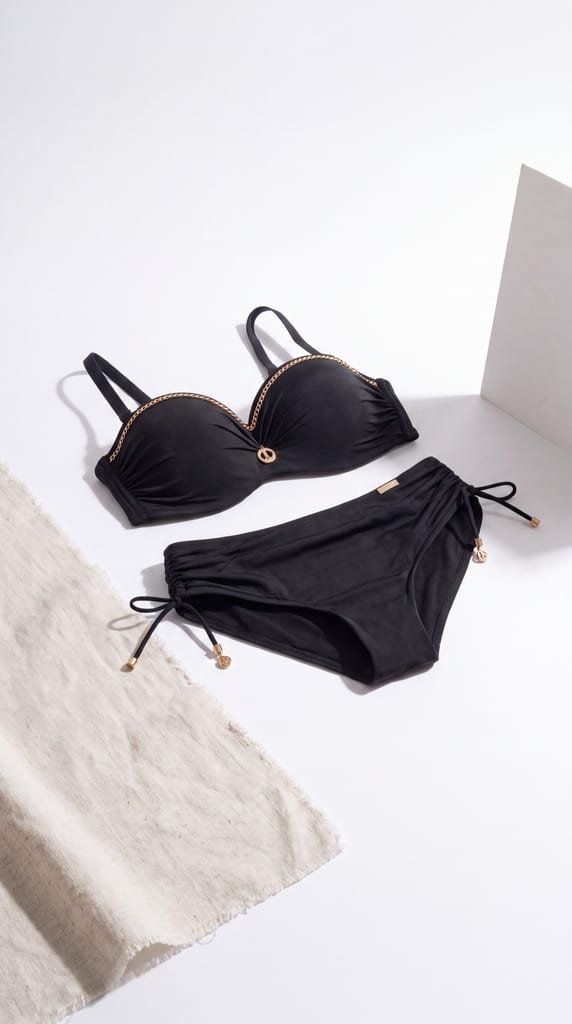
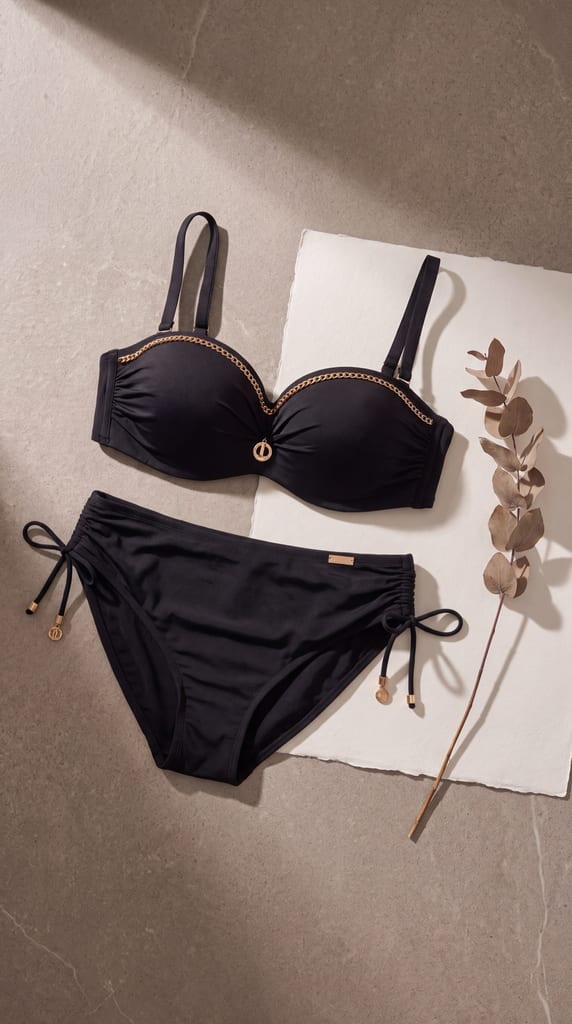
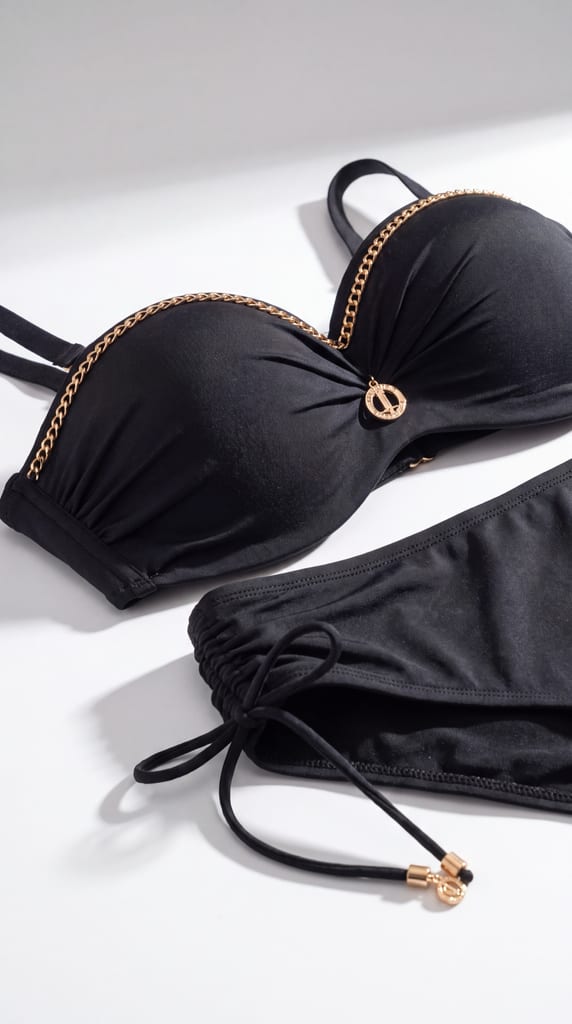
Kuratorowany still life bez modelki: produkt lub akcesorium na ciepłej kamiennej powierzchni, jedno kierunkowe światło budujące objętość i fakturę, elegancki rysowany cień, rekwizyty jako obudowa produktu i zróżnicowane kąty kamery. Część kadrów z gotowym miejscem pod tekst.
Pokaż akcesorium tak, jak pokazuje je marka premium — na powierzchni z charakterem, w świetle, które buduje bryłę i wydobywa materiał, z długim, eleganckim cieniem jako częścią kompozycji. Rekwizyty dobrane tak, by obudować produkt i nadać mu skalę, kąt kamery dobrany do bryły, a co czwarty kadr od razu z miejscem pod nagłówek. Dziesięć zdjęć wygląda jak jedna sesja przy jednym stole.
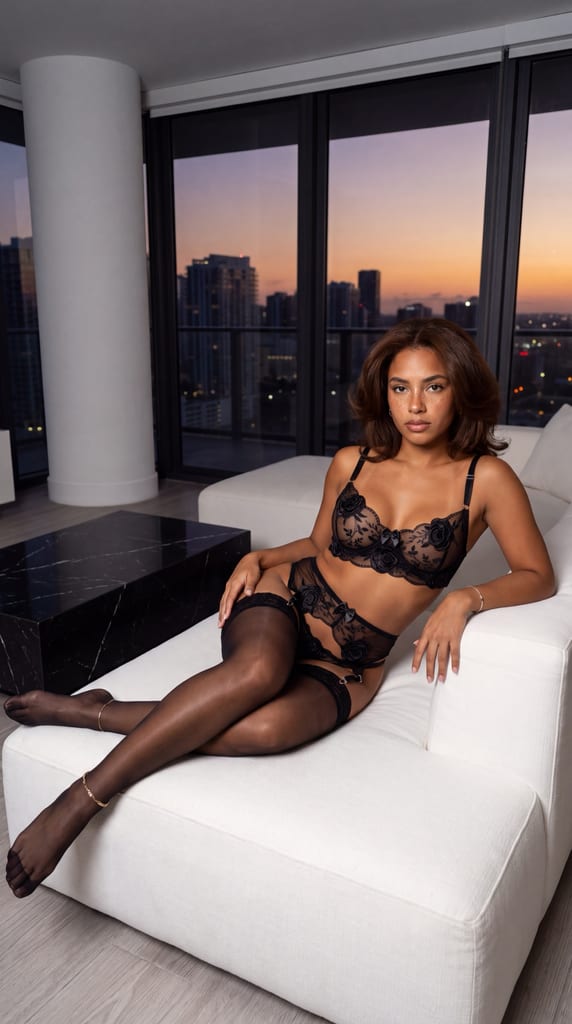
Galeria
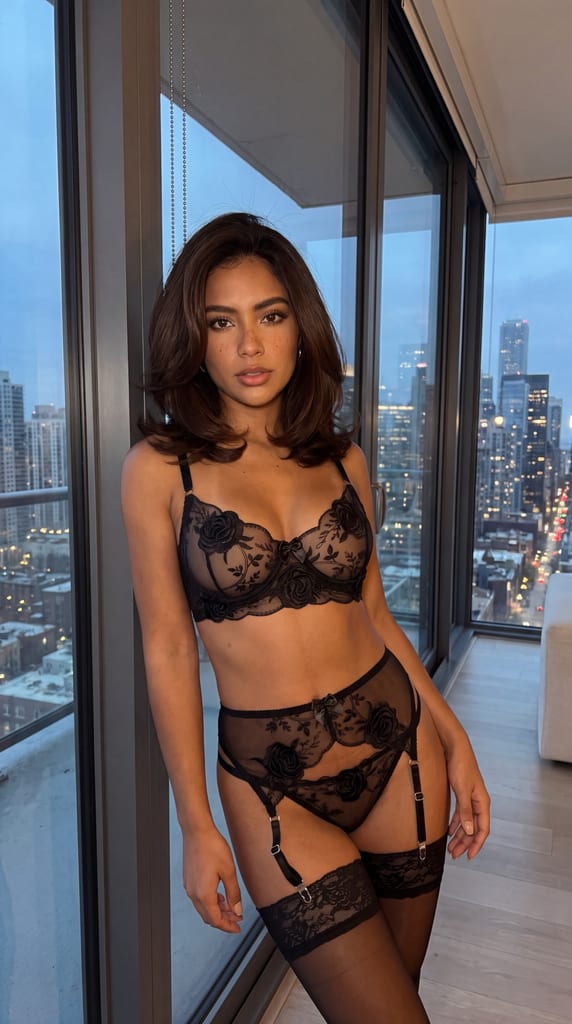
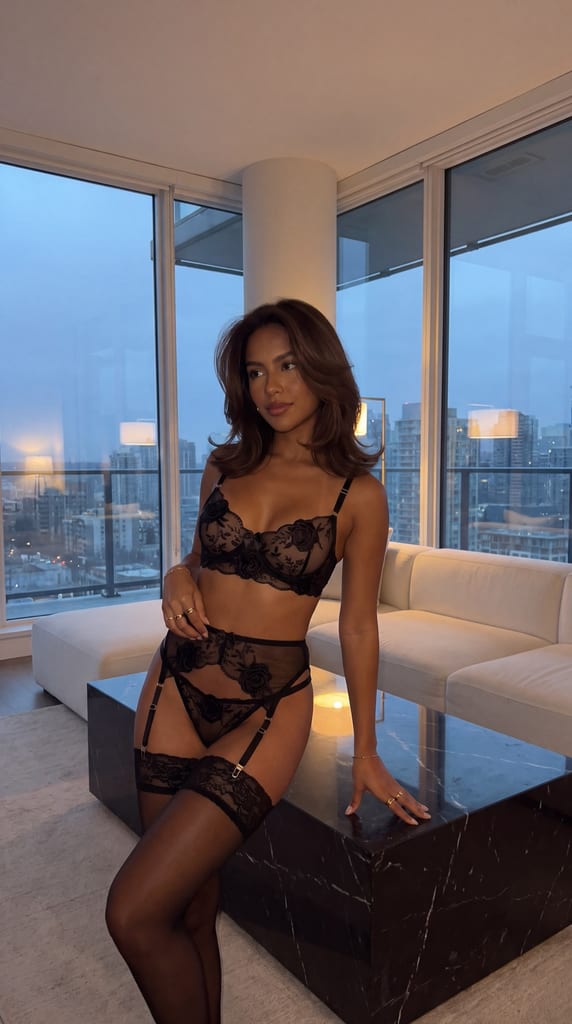
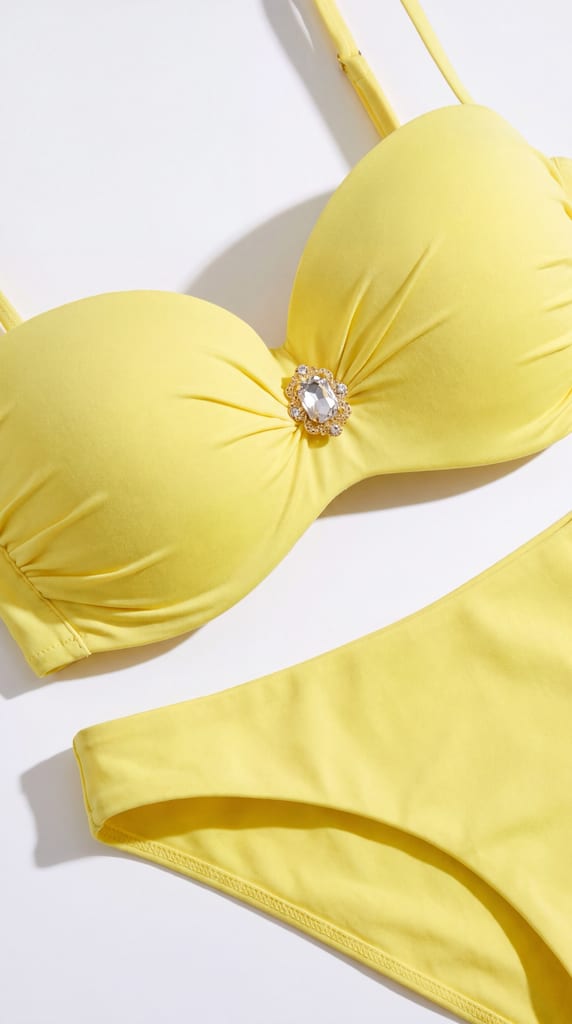
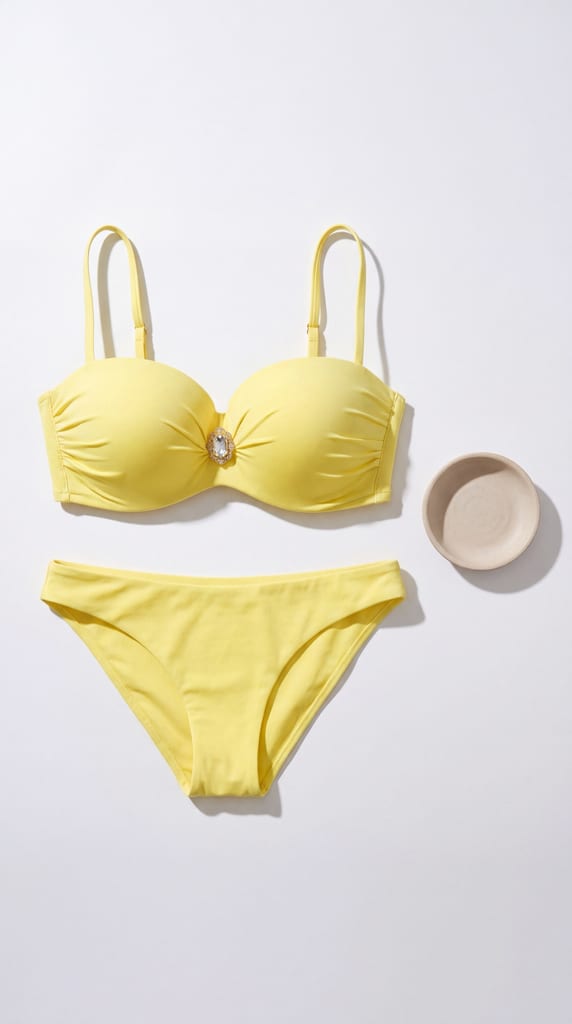
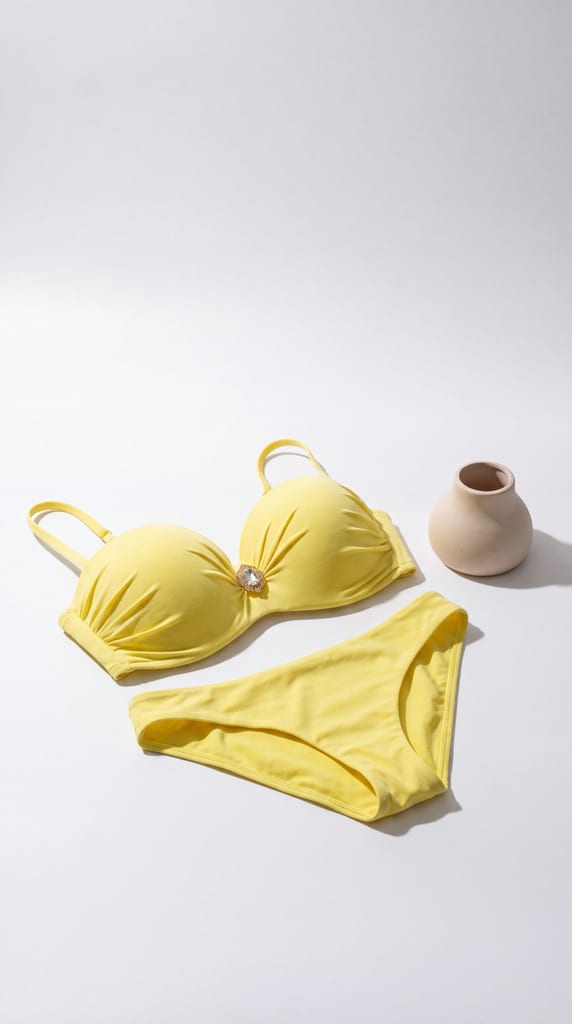
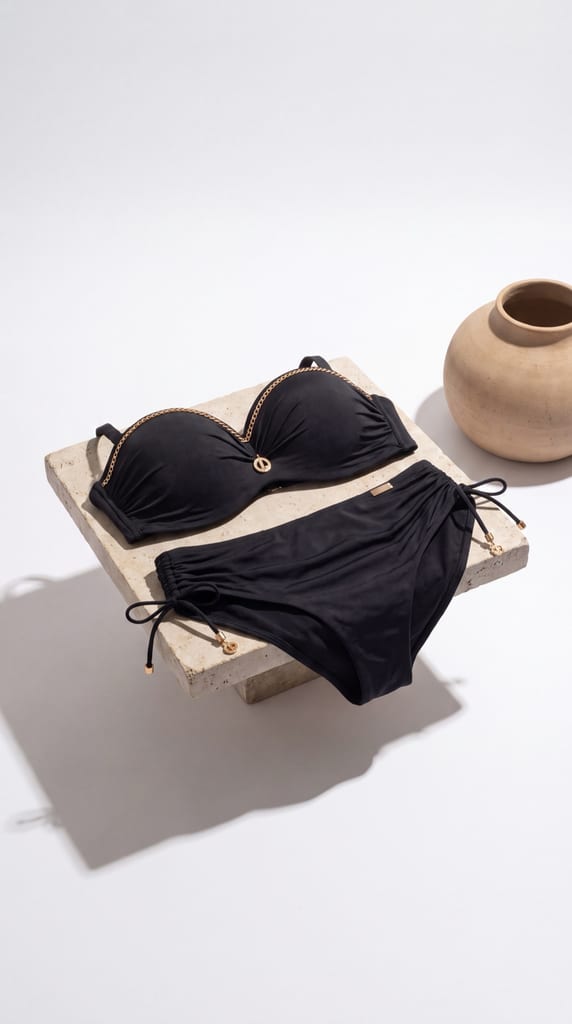
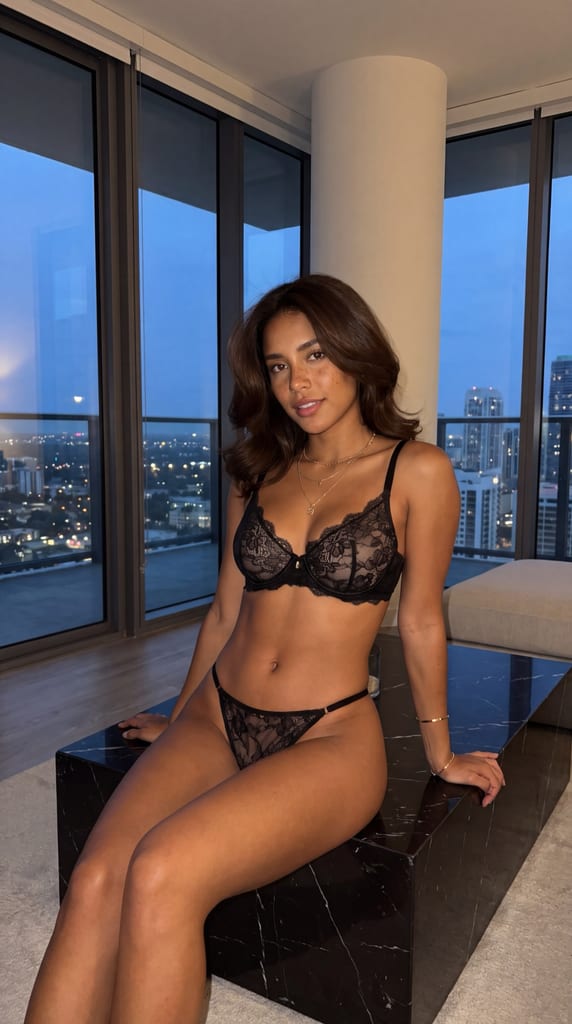
Najlepsze do
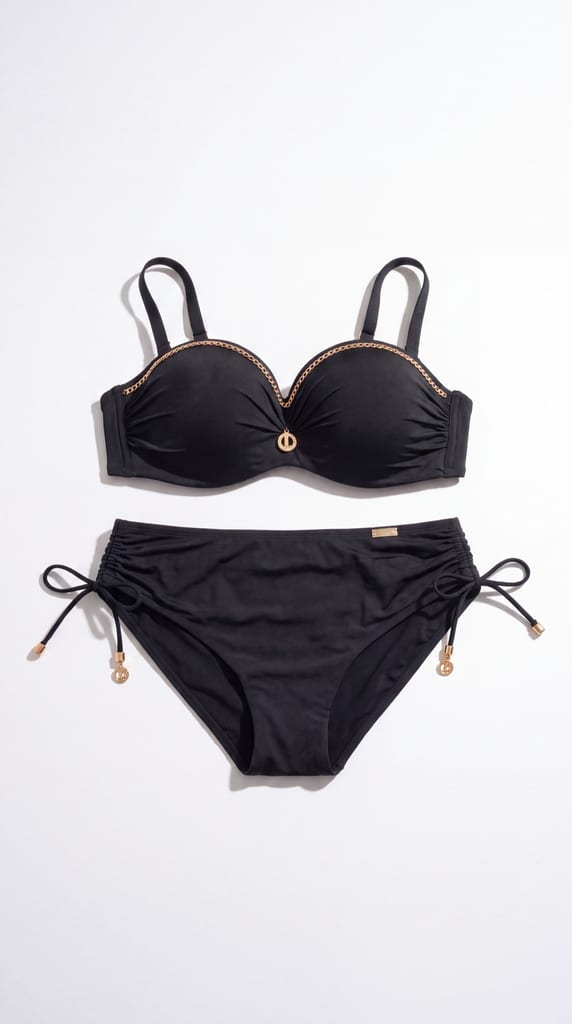
Najlepszy dla akcesoriów (okulary, biżuteria, torby, sandały, kapelusze, dodatki do włosów, kosmetyki i zapachy) oraz produktów pokazywanych jako przedmiot — złożonego kostiumu, kompletu bielizny, opakowania. Wybieraj go na hero kategorii, stronę listingu, kampanię sezonową i premium packshot z art directionem. Jeśli potrzebujesz maksymalnie powtarzalnego packshotu pod marketplace, weź styl flat-lay na bieli — ten jest jego przeciwieństwem: scenografia, cień i kompozycja zamiast powtarzalności.
Wymagania wejściowe
Wgraj packshot tej strony produktu, którą chcesz pokazać — sesja fotografuje jedną stronę; na drugą stronę tego samego przedmiotu uruchom osobną sesję. **Nie wybieraj modelki — ten styl nie wpuszcza do kadru żadnej postaci ani dłoni.** Sceneria nie jest potrzebna: styl ma własny zlockowany set (ciepła kamienna powierzchnia, matowa tynkowa płaszczyzna, zamknięty zestaw rekwizytów). Jeśli podepniesz własną scenerię, to ona poprowadzi miejsce i tło, a styl dołoży swoje światło, kadr i dyscyplinę produktu.
Wytyczne jakościowe
## Quality guidelines ### Style core A curated still-life register for accessories and product objects photographed with no person in the frame — images that read like a considered object photograph made on a stylist's table: one product placed on a honed warm stone surface, lit by one directional source that builds its volume and grazes the surface, with a drawn cast shadow used as part of the composition and one or two curated props acting as the object's housing. The subject is an accessory or a product presented as an object — eyewear, jewellery, a straw or woven bag, a sandal, a hat, a hair piece, a fragrance or care object, or a swim/lingerie piece folded and set down as an object rather than worn. The register is quiet, tactile and deliberately art-directed: nothing moves, nothing is narrated, and the whole frame exists to make one object desirable and legible at the same time. This is decidedly NOT a compliance flat-lay (no strict top-down on white, no bare product, no repetition as the point) and NOT a lifestyle scene (no story, no hands, no second subject). Premium here comes from the placement, the surface and the shadow — never from added objects, added colour or added effect. - Commerciality level: mix of `catalog` and `campaign` — every frame stays sellable and product-true, while the art direction is visible and intentional - Dominant character: curated, tactile, mineral, quiet, considered, object-first, warm-neutral - Image priority: the product leads every frame; the surface, the shadow and the props exist to give it scale, context and desirability - Directional references: contemporary accessory still life on stone and paper, object photography for a premium category page, seasonal accessory campaign stills, the considered table-top set of a product stylist - Style-anchoring words: one object as the sitter, honed warm stone surface, one drawn directional shadow, props that house the product, never a flat-lay ### Product role in frame The product is the hero of every frame, the only sitter, and the reason the frame exists. With no body present, three things do the work a model would otherwise do. First, **form**: the camera angle is chosen so the object's silhouette and its volume both read — a bag keeps its depth, eyewear keeps the sweep of its temples, a folded garment keeps its thickness. Second, **material**: the raking component of the key light draws the grain of leather, the weave of straw, the pile of a textile, the polish of a metal link, the drape and creases of a folded fabric piece. Third, **scale** — this is the specific risk of a still life and it is solved by the set: the surface's own texture grain and the familiar size of the curated props give the object its true size, so it never inflates into furniture and never shrinks into a miniature. Construction is what the customer buys in an accessory, so clasps, buckles, hinges, hardware, stitched edges, hems and closures stay legible. The session photographs the one side of the product supplied in the input: when the input shows the back of the object, that face becomes the readable subject of the whole pack. - Product role: hero and only subject — the surface, the shadow and the props amplify it, never compete with it - Visibility level: fully readable in the clear majority of frames, with a material / construction detail layer completing the pack; no frame drops below "instantly recognisable as this object" - What the style exposes: the object's form and silhouette, its material and surface behaviour, its construction (clasps, buckles, hinges, hardware, seams, edges, closures), its true colour, and its scale against the anchored surface - Scale discipline: the set carries the scale — the surface's texture grain and the props' familiar size keep the object's proportions true, at every camera angle - Acceptable obscuring: minimal — a prop may overlap the object's outline only at an extreme edge, never over a construction feature; the shadow never falls across the object's readable face - Product presentation character: considered, tactile, honest — a real photographed object, never a rendered one, never a bare specimen shot ### Light Default light — applied when no scenery is linked, or when the linked scenery does not name a directional light, a time of day or weather: ONE soft-directional studio source at ~135° azimuth off the camera–subject axis (the azimuth is measured from the camera–subject axis, where 0° would sit at the camera's own position and 180° directly behind the object; ~135° puts the source behind the object and to one side), its centre at ~35° elevation above the surface plane — the plane the object rests on, not the camera's eye line — so the beam grazes the surface and draws the object's form. Medium-soft: the shadow has a drawn, readable edge with a narrow transition, never a razor edge and never a diffuse smear. The only fill is one low white bounce on the camera side, set just high enough to keep the object's front face legible while leaving the modelling intact. The cast shadow runs forward across the surface toward the camera, elongated by the low elevation, and is treated as a compositional element rather than as grounding. Discipline — always, whatever the light source: one dominant directional source that builds the object's volume, grazes its material and draws one readable cast shadow; medium contrast; specular highlights on lens glass, metal hardware and polished leather shaped and held rather than burnt out; one single white balance per frame, following the resolved light source (the preset's neutral value applies only when the preset's default light is the source); the object's true colour surviving intact. This discipline applies on top of whichever source is resolved — a linked scenery may set where the light comes from, and the preset keeps the directional, volume-building, shadow-drawing character. - Source type: one shaped studio source by default; a qualifying scenery may resolve another source. Always exactly one dominant direction - Default source direction: ~135° azimuth off the camera–subject axis, behind the object and to one side, centre at ~35° elevation above the surface plane — applied when no scenery is linked, or when the linked scenery does not name a directional light, a time of day or weather - Hardness: medium-soft; the shadow edge is drawn and readable with a narrow transition - Light-to-shadow contrast: medium — enough to build volume and relief across the object and the surface, never so deep that a dark material loses its internal detail - Role of fill: one low bounce on the camera side only; it opens the object's front face and never lifts the frame into an even ambient glow - Shadow quality: one elongated, drawn, directional cast shadow running forward across the surface — a graphic mass in the composition, plus a tight contact shadow where the object meets the surface - Specular control: highlights on glass, metal and polished surfaces are shaped and held, reading as the real shape of a real source - Color temperature: neutral; the preset's neutral white balance applies only when the preset's default light is the source; otherwise white balance follows the resolved light source - White balance count: exactly one per frame; a second source never introduces a competing cast - What the light should model: the object's volume first, then its material and construction relief, then the texture of the surface it stands on, then the falloff of the backdrop ### Color and tonality Warm-neutral, mineral, contemporary tonality whose one job is to let a single object carry all the colour in the frame. The default surface and backdrop (used only when no scenery is linked) are ONE honed warm-grey stone tone — sRGB #BDB3A6 ≈ CIELAB L* 73 / a* 1 / b* 8 — a mid-light warm greige with visible mineral grain on the horizontal plane and the same tone as a matte plaster backdrop behind, falling off into shadow with distance from the key. It is deliberately NOT pure white (that is the flat-lay compliance register), NOT the neutral mid-grey of the campaign studio, NOT a bright near-white, NOT beige-yellow and NOT cool-blue: it is warm, mid-light and mineral, so the drawn shadow reads as a graphic mass and a light object still separates from it. The curated props stay within a half-step of this anchor in value and hue, so the product remains the only strong colour in the frame. Saturation restrained in the set and exactly true in the product; contrast medium; blacks deep but open, so a dark object and the shadow both keep their internal surface; whites clean and neutral. No tint, no creative grade, no film character — the tonality serves colour fidelity. - Palette: warm-neutral and narrow — the anchored stone tone + the props within a half-step of it + the product as the only strong hue - Background / surface tone (default, closed axis): sRGB #BDB3A6 ≈ CIELAB L* 73 / a* 1 / b* 8, one single value carrying both the horizontal surface and the matte plaster backdrop — never a family, never a range, never drifting between frames; used only when no scenery is linked - Props palette: within a half-step of the anchored tone in value and hue — raw linen and paper, unglazed ceramic, the same stone; the props never introduce a competing colour - White balance: neutral; follows the resolved light source; the preset's neutral value applies only when the preset's default light is the source; the grade never recolours a linked scenery - Saturation: restrained in the set, exactly true in the product - Contrast: medium — the drawn shadow carries the graphic weight, not a pushed curve - Exposure: precise; the object perfectly exposed, the highlight on any specular material held, the shadow open enough to keep the surface's grain inside it - Highlights character: clean, neutral, shaped and controlled - Shadows character: warm-neutral, open, carrying the surface's own texture inside them - Blacks: deep yet open — a black bag or a dark lens keeps its internal detail - Whites: clean and neutral — a white or ivory object separates from the #BDB3A6 surface through the light's modelling and the contact shadow, never by recolouring the surface - Overall tonal character: warm-neutral, mineral, contemporary still life - Faithfulness of the product's own hue takes precedence over everything else in this section; the grade never recolours a linked scenery ### Lens and perspective feel One pinned focal length: **~85mm in feel, for the whole session** — a single value, never a range (never write "50–85mm in feel"). A short-portrait length is what keeps an object's proportions honest at a close working distance: a wider length bulges the near edge of a bag, bends a straight temple of a pair of glasses and falsifies the very proportions a customer is judging. A wider length (down to ~50mm in feel) is allowed ONLY when the idea explicitly calls for a wide set frame showing the whole arrangement — never as a per-frame default. Aperture / depth of field is a closed axis resolved once for the whole session: ONE moderately deep value (~f/11 in feel), so the object stays sharp from its near edge to its far edge at every camera angle while the backdrop still falls gently off. Never take focal length or aperture / DoF from the scenery. Camera angle is the one open camera axis of this style and it is the style's language: the range runs from a low camera close to the surface plane, through the three-quarter working angle, to a high three-quarter, with a strict top-down as a minority accent (the distribution lives in `Perspective mix`). Whatever the angle, proportions stay true: no wide-angle bulge, no keystone bending a straight edge of the object, no angle that hides the loaded side supplied in the input. - Focal length: PIN ~85mm in feel — one single value for the entire session, no ranges (never write "50–85mm in feel"); a wider ~50mm in feel ONLY when the idea explicitly calls for a wide set frame — never a per-frame default; never taken from the scenery - Aperture / depth of field: ONE moderately deep value (~f/11 in feel) resolved for the whole session and held identical on every frame; the object sharp front-to-back, the backdrop softening with distance; never sourced from the scenery - Camera distance: a close still-life working distance; closer for the detail layer — the same focal length throughout - Perspective: varied by design and distributed in `Perspective mix` — from a low camera near the surface plane to a strict top-down accent; proportions stay true at every angle - Sharpness character: precise across the whole object; real photographic sharpness, not synthetic over-crispness - Gear character: a full-frame camera with a short-portrait prime on a steady still-life setup, one shaped studio source and a single bounce card - Aspect ratio: no rigid requirement; the prompter picks (category and e-commerce usually 1:1 / 4:5, campaign and copy-space frames 2:3 / 16:9); the format should give the object and its shadow room to sit ### Composition language Composition is the deliberate act of this style — the frame is designed, not recorded. The object sits off-centre in the clear majority of frames, with the cast shadow acting as a second graphic mass that balances it: the two together, not the object alone, are what is being composed. Two to three planes: the surface running toward the camera as the near plane, the object, and the plaster backdrop falling off behind. Negative space is generous and intentional — the empty surface is a compositional material here, not leftover room — and in the copy-space share of the pack one quiet zone of surface or backdrop, free of props and free of the cast shadow, is reserved for a headline, a logo or a price. That zone is subordinate: the object still commands the frame, which is exactly what separates this register from a layout-first hero style, where the reserve is a rule of every frame. Background hygiene matters as much as it does in a portrait: no prop edge grows out of the object's silhouette, the backdrop's horizon line does not cut the object at a structural feature, and two shadows never merge into one unreadable mass. - Frame type: leads with product-hero frames (the object commanding the frame) and in-set frames (surface, backdrop and one or two props reading as its housing); a wider set frame and a material / construction detail layer complete the pack - Object placement: deliberately off-centre in most frames, with clear geometric intent (rule of thirds / golden ratio); centred placement kept for the most frontal hero frames - Shadow as composition: the drawn cast shadow is placed, not accepted — it balances the object, leads the eye into the frame, or runs out of the corner as a diagonal - Negative space: generous and intentional — the empty anchored surface is the main compositional material - Symmetry: sparing; asymmetry with a settled visual weight is the register's home - Open / closed composition: mostly closed (the object fully contained inside the frame), with an open share where the surface or a prop runs past the frame edge so the set reads as a larger table continuing beyond the crop - Number of planes: two to three — the near surface, the object, the backdrop falling off - Separation from background: the backdrop's falloff plus the tonal difference between the object and the anchored stone, plus the drawn shadow; never a rim-light effect, never a recoloured background - Room for copy: yes, in the copy-space share — one quiet zone of surface or backdrop, free of props and of the cast shadow, roughly a third of the frame, always subordinate to the object - Background hygiene: no prop edge growing out of the object's silhouette, no backdrop line cutting the object at a structural feature, no two shadows merging into one mass - Overall composition character: curated still life — designed, asymmetric, quiet, shadow-aware ### Pose language **Redefined for a preset with no person.** No body appears in this style, so there is no pose in the human sense. What this section governs instead is the **placement and attitude of the object**: how it rests, how it has been set down, and how its own parts are arranged. The object rests under real gravity on its true footprint, with a tight contact shadow where it meets the surface — never floating, never balanced in a way a real object could not hold, never pinned by an invisible support. Its own parts are arranged with one considered gesture: a strap laid in a single relaxed curve rather than dropped, the temples of eyewear opened at a natural angle, a chain drawn into a deliberate line rather than tangled, a folded piece squared with intent, a lid set beside its body rather than balanced on it. The register of the arrangement is the equivalent of expression here: composed, quiet and deliberate — the object looks placed by a person with taste, never scattered and never machine-aligned into a grid. The object's principal face is turned toward the lens or into a three-quarter address (the distribution is in `Gaze distribution`), always with the loaded side supplied in the input kept to the camera. - Resting attitude: settled under real gravity on the object's true footprint, with a tight contact shadow; a soft object may sag and crease where a real one would - Arrangement of the object's own parts: one considered gesture — a laid strap, an opened hinge, a drawn chain line, a squared fold; deliberate, never fussy - Register of the arrangement: composed, quiet, deliberate — placed by a stylist's hand, legible as intent rather than as accident or as a machine grid - Contact with the set: the object may rest flat, lean against a stone block, sit raised on a plinth or settle half onto a textile — always with believable weight and a real contact point - Address to the camera: the loaded side supplied in the input stays toward the lens; the object's principal face reads frontally or in three-quarter - Relation to the props: the props orient toward the object, never the reverse — the set is arranged around the product, and the product is never arranged to fit the set - What is never in the frame: no person, body, skin, hand, face, model or mannequin — no hand ever enters to hold, present or adjust the object ### Movement and physics The style is fully still by design — this is a photograph of an object at rest, and there is nothing to freeze. No wind, no water, no falling elements, no motion device, no motion blur anywhere. What replaces movement is **material physics**, and it has to be exactly right, because a wrong physical read is the fastest way an object photograph stops looking photographed: a leather strap falls with its own stiffness and weight, a chain coils with real link resistance, straw and woven fabric keep their springiness, a folded garment keeps its true thickness and puts its creases where a real fold would, a hard object sits on its true footprint and takes the surface's contact shadow. Fabric drapes over an edge under gravity rather than being drawn as a decorative curve. - Static vs movement: fully static — an object at rest, photographed on a steady setup - Frozen vs blur: fully frozen and sharp; no motion blur anywhere - Material behaviour: each material behaves as itself — leather stiffness, chain weight, straw springiness, fabric drape and true thickness, glass weight and edge - Gravity and contact: real weight on a real surface, a real contact shadow, a real footprint; nothing floats and nothing balances impossibly - Elements: none — no wind, no water, no falling or scattered elements, no atmospheric effect ### Relation to scenery The style's world is a curated table-top set, and that set is the preset's own default — not a location statement. The default (used only when no scenery is linked) is ONE concrete arrangement: a honed warm-grey stone slab as the horizontal surface, with visible mineral grain, in the anchored tone sRGB #BDB3A6 ≈ CIELAB L* 73 / a* 1 / b* 8; behind it a matte plaster backdrop of the same tone, falling off into shadow with distance from the key; and a closed repertoire of curated props (a raw-edged linen or heavy paper sheet, a small unglazed ceramic form, a squared block of the same stone used as a plinth, a single dried botanical stem). This is one set, not a family of sets: the material, the tone and the light character stay identical across the pack, and the only thing that changes is **which** elements of it enter a given frame. A linked scenery owns the location and backdrop when the user supplies one, and the preset's still-life discipline — one directional key, the drawn shadow, the pinned camera, the product-first framing — then applies on top. The style works fully without a scenery: its default set is designed to be the register, not a placeholder. - Relationship to space: an intimate, curated table-top set — the scale of a surface and an object, never a room and never a location - Scene depth: shallow to layered — a near surface plane, the object, a backdrop falling off; depth is short by nature at this working distance - Background activity: supporting and silent — the surface and props frame the object and never narrate; no scene, no horizon line beyond the backdrop's own edge, no story - Space scale: intimate; the frame is about an object and its immediate surroundings - Default set (closed axis): the honed warm stone surface + matte plaster backdrop in the anchored tone #BDB3A6 (CIELAB L* 73 / a* 1 / b* 8) + the closed prop repertoire — one value and one set, not a range and not a family; used only when no scenery is linked - Open axis inside the locked world: which props enter a given frame and where they sit; the surface, the tone, the palette and the light character never change between frames - The attached scenery owns the location and backdrop when linked; the preset's light discipline, camera pins, framing discipline and product-first hierarchy still apply on top of the resolved source ### Props and styling behavior Props are the defining device of this preset and the reason it exists next to a bare packshot — but their role is strictly to house the product and give it scale, never to share the frame with it. The repertoire is closed and deliberately narrow: a raw-edged linen or heavy paper sheet the object can rest half onto, a small unglazed ceramic form sitting nearby, a squared block of the same stone used as a plinth to raise the object, and a single dried botanical stem. One prop in frame is the norm, two is the ceiling. Every prop stays within a half-step of the anchored surface tone in value and hue, so the product keeps all the colour in the frame; every prop is either passive (present, not touched) or structural (a plinth, a support, a surface the object rests half onto). None of them is ever used narratively, none is ever a second product, and none of them ever crosses a construction feature of the object. The props also carry a real function beyond taste: a familiar-sized prop is what tells the viewer how big the object is when no body is present. There is no model in this style, so there is no styling layer on a person: the preset does not specify a model's skin, make-up or hair, because no person, body, skin, hand, face, model or mannequin enters the frame at all. - Props: a closed repertoire — raw-edged linen or heavy paper, a small unglazed ceramic form, a squared stone block used as a plinth, a single dried botanical stem - Number in frame: one as the norm, two as the ceiling; a share of frames carries the object alone with only its shadow - Prop palette: within a half-step of the anchored surface tone in value and hue; the product is the only strong colour in the frame - Role of props: passive (present, untouched) or structural (a plinth, a support, a sheet the object rests half onto) — never narrative, never a second product - Props and scale: a familiar-sized prop is what gives an unworn object its true size - Accessories on a person: none — this style has no person in it - Avoid (Prompter instruction — formulate final values positively): a hand or any part of a body entering to hold or present the object, a second product sharing the frame, added scatter (petals, coffee beans, loose grains, water droplets as decoration), text, logo or watermark, and any prop with a strong colour of its own — each of them adds a second subject to a frame that must carry exactly one ### Post-production and finish Finish exact, tactile and deliberately invisible — the image should read as a precisely executed still-life photograph, not as a graded creative asset. No grain (a clean digital target). Texture as recorded: the object's material and the surface's mineral grain both stay legible, because texture is half of what this register sells. Clarity medium-high, so weave, grain, stitching and hardware read fully — without HDR, without sharpened "advertising" micro-contrast and without any resolution/quality tokens. Retouch is light cleanup only, never at the cost of material texture and never redrawing the product: the object's own pattern, hardware, edges and proportions are preserved exactly as the input shows them. No vignette — any darkening at the frame edge comes from the real falloff of the backdrop, not from a post effect. Colour exact: the product's hue as true as the file allows. The preset does not specify a model's skin, make-up or hair — no person appears in this style at all: no person, body, skin, hand, face, model or mannequin enters the frame, and the product is the only sitter. - Grain: none — clean digital - Texture: as recorded; the object's material and the surface's mineral grain stay visible - Clarity: medium-high, without HDR, without sharpened advertising micro-contrast, without any resolution/quality tokens - Vignette: none; any edge darkening comes from the backdrop's real falloff - Retouch: light cleanup only, never at the cost of material texture; the product is never redrawn, simplified or restyled - Colour: exact — the product's own hue, pattern and hardware finish preserved - No person: the preset does not specify a model's skin, make-up or hair — no person, body, skin, hand, face, model or mannequin appears in the frame at all - Overall finish: exact, tactile, warm-neutral, deliberately invisible ### Style render properties - Render character: true-to-life photographic rendering. The frame must read as a real photograph of a real object on a real surface — a full-frame camera, a short-portrait prime, one shaped studio source and a bounce card. Carry this into `Rendering_Style` as its own value — `True-to-life photographic rendering.` — and resolve it identically on every frame of the session. The still-life register belongs in `Session_Concept` and `Output_Goal`; `Rendering_Style` carries ONLY the photographic character, never a genre label, never a quality or fidelity adjective. - The frame contains NO person: no person, body, skin, hand, face, model or mannequin — no hand enters to hold, present or adjust the object. The product is the only sitter, and the preset therefore specifies no model's skin, make-up or hair at all. - The product is the subject of every frame: fully readable, its form and volume legible, its construction (clasps, buckles, hinges, hardware, seams, edges, closures) visible, its own hue exact and never falsified by grade, light, surface or prop. Nothing — prop, crop or shadow — covers a construction feature. - The default surface and backdrop (used only when no scenery is linked) read as ONE honed warm-grey stone tone — sRGB #BDB3A6 ≈ CIELAB L* 73 / a* 1 / b* 8 — a mid-light warm greige with visible mineral grain on the horizontal plane and the same tone as a matte plaster backdrop falling off behind; never pure white, never a bright near-white, never a neutral mid-grey, never beige-yellow, never cool-blue, and never a different value between frames. When a scenery is linked, the scenery owns the background. - Light must read as ONE dominant directional source that builds volume and grazes material — the default at ~135° azimuth off the camera–subject axis, behind the object and to one side, its centre at ~35° elevation above the surface plane; medium-soft, with one low bounce on the camera side as the only fill; medium contrast; specular highlights shaped and held. This discipline applies on top of whichever light source is resolved, and each frame resolves to exactly one white balance. - One elongated, drawn cast shadow runs forward across the surface in every frame and is treated as a compositional mass, not as grounding; a tight contact shadow holds the object to the surface. The shadow never falls across the object's readable face and never merges with a prop's shadow into an unreadable mass. - Focal length is PINNED at ~85mm in feel and aperture at ~f/11 in feel for the whole session — one value each, never a range, never taken from the scenery — so the object's proportions stay true and it stays sharp from its near edge to its far edge at every camera angle. - The camera angle varies by design across the pack, from a low camera near the surface plane to a strict top-down; the top-down is a minority accent and even those frames keep the curated surface, the directional light, the drawn shadow and a prop, so no frame of this style reads as a compliance flat-lay on white. - Scale is carried by the set: the surface's texture grain and the familiar size of the curated props keep the object's true size legible, since no body is present to supply it. - Props stay a closed, narrow repertoire within a half-step of the anchored tone, one in frame as the norm and two as the ceiling, always passive or structural, never narrative, never a second product, never a strong colour of their own. - Physics stay real: the object rests on its true footprint under real gravity, straps fall with their own weight, chains coil with real link resistance, fabric keeps its true thickness and drapes rather than being drawn as a decorative curve; nothing floats and nothing balances impossibly. - The session photographs the one side of the product supplied in the input; the whole pack keeps that side toward the lens. - Overall the image must feel like a considered, tactile still-life photograph of one desirable object on a curated surface — quiet, exact and art-directed — not a bare packshot, not a top-down flat-lay on white, not a lifestyle scene and not a rendered product visualisation. ### Allowed variability Variability applies only to the open axes. What stays disciplined across frames is the preset's own DNA: the anchored #BDB3A6 stone surface and plaster backdrop, the closed prop repertoire and its subordinate role, the light's position and character with its drawn cast shadow, the pinned ~85mm focal and ~f/11 aperture, the neutral colour-true grade, the no-person rule and the full-readability floor for the product. Everything below is open. - Which props enter a given frame, where they sit and whether the object stands alone with only its shadow may vary — the repertoire, the palette and the props' subordinate role do not. - The camera angle may move across the defined range — from a low camera near the surface plane, through the three-quarter working angle and a high three-quarter, to a strict top-down accent — always at the pinned focal length and aperture. - The light does not move between frames. When the camera moves around the set, the cast shadow therefore runs differently within the frame — because the camera moved, never because the source did. - The exact placement of the object in the frame, its off-centre offset and the arrangement of its own parts (a laid strap, an opened hinge, a drawn chain line, a squared fold) may vary within the composed, deliberate register. - Frame / crop may move along the still-life ladder (wide set frame ↔ in-set ↔ product hero ↔ construction detail) — always at the pinned 85mm. - Which construction point the detail layer chooses (clasp, buckle, hinge, link, stitched edge, weave, lens rim, hem) may change between frames. - Whether a frame reserves a quiet copy zone, and on which side of the frame it sits, is open within the distribution set in Quantity. - What may NOT vary: the surface and backdrop value, the light's position and character, the presence of the drawn directional shadow, the focal length, the aperture, the prop repertoire and its subordinate role, the absence of any person, or the product-readability floor. ### Session-level consistency Across the whole pack these stay constant, because the Prompter is stateless: the same ONE honed warm stone surface and matte plaster backdrop in the anchored tone #BDB3A6 ≈ CIELAB L* 73 / a* 1 / b* 8 (never a different value between frames) whenever no scenery is linked, the same single directional source at ~135° azimuth and ~35° elevation above the surface plane with one low bounce as the only fill, the same drawn cast shadow character, the same neutral colour-true grade, the same pinned ~85mm focal length and ~f/11 aperture on every frame, the same closed prop repertoire kept subordinate to the product, the same composed and deliberate arrangement register, the same absence of any person, and the same full-readability floor for the object. The pack must read as one sitting at one table on one afternoon: ten frames of the same set, seen from different camera positions, with the light standing exactly where it stood. The pack must not mix curated still-life frames with bare packshots, with compliance flat-lays on white, or with lifestyle scenes. ### Conflict resolution Default hierarchy, unchanged — this is a product preset and the default hierarchy is its identity; the art direction exists to sell the object, not the other way round: 1. Product readability and fidelity: the object fully readable, its hue exact, its form, material and construction legible, its proportions and scale true; nothing covers a construction feature. 2. Realism and render believability: true-to-life photographic rendering, real material physics, real weight on a real surface, believable specular behaviour, the object never redrawn or simplified. 3. Consistency of the curated world: one surface value, one light position and character, one camera pin pair, one prop repertoire across the pack — the series signature. 4. Art direction and composition: the shadow as a graphic mass, the off-centre placement, the copy zone — permitted inside the margins left by 1–3, which in this register is deliberately generous but never unlimited. When a linked scenery's own space conflicts with the preset's default set, the scenery wins the place (below product readability and render realism, which stay higher; model identity has no bearing here, since no person appears in this style). The preset's default light and surface apply for sessions without a scenery, or when the linked scenery does not name a directional light, a time of day or weather; a qualifying scenery's light leads, and the preset's directional, volume-building, shadow-drawing discipline always applies on top. The focal and aperture pins are never overridden by the scenery — only a per-batch Idea/suggestion may move them. If a prop would cover a construction feature, compete for attention or add a colour of its own, the prop leaves the frame — the product wins. If holding a copy zone would push the object out of its commanding role, the frame drops the copy zone: copy-space is a distribution across the pack, never a rule of every frame. If a camera angle would hide the loaded side supplied in the input or bend the object's proportions, the angle gives way to a readable one.
Wytyczne ilościowe
## Quantity guidelines ### Session goal By default 10 images in the pack. Main use: accessories as hero imagery, category and listing pages, seasonal campaign assets, a premium alternative to a bare packshot, and social. The pack's goal is a coherent, art-directed still-life set of ONE object: ten frames of the same curated table, in one light, at one focal length and one aperture, seen from different camera positions — a set a store can use as a product story rather than as a specimen sheet, with a quarter of the frames already carrying room for a headline. The session photographs the one loaded product side supplied in the input; a set covering a second side of the same object is a second session. ### Shot mix About 35% product hero (the object commands the frame, filling it, with minimal set around it — the frames a category page leads with), 30% in-set frames (the surface, backdrop and one or two props read as the object's housing, with the object still clearly the subject), 20% material or construction detail (clasp, buckle, hinge, link, stitched edge, weave, lens rim, hem — half-macro to macro on the object alone), 15% wider set frame (the arrangement composed as a small still life with generous surface, usually carrying the copy zone). The pack LEADS with hero and in-set frames; the detail layer proves construction, and the wider frames carry the art direction and the copy room. All frames at the pinned 85mm and f/11. When the input shows the product's back, the same shot mix reads from that side — the back face becomes the object's principal face, and the hero, in-set and detail frames all address it. ### Perspective mix Product orientation = input, not preset. The input always shows one side of the product — the front or the back — and that loaded side dictates which face of the object is turned toward the lens. The preset does NOT redistribute or assign this (no "X% front / Y% back"); it takes the orientation from the input and only varies the camera angle within it. The distribution concerns the camera setup with the loaded side kept to the lens, all at the pinned 85mm and f/11: about 20% a low camera close to the surface plane (roughly 10–20° above it — the object stands against the plaster backdrop and the shadow runs toward the camera), 40% the three-quarter working angle (roughly 35–45° above the surface — the workhorse: silhouette, top face and front face all read at once), 25% a high three-quarter (roughly 60–70° — the arrangement of the set reads while the object keeps its volume), 15% a strict top-down (90° — the minority accent). The top-down share is deliberately kept small and is the only place this style touches flat-lay geometry: even there the curated surface, the directional key, the drawn cast shadow and at least one prop stay in frame, so the frame never reads as a compliance flat-lay on white. No angle deforms the object's proportions, bends a straight edge, or rotates the object so the loaded side leaves the frame. The light stays where it is regardless of the camera setup — the source does not move between frames. ### Gaze distribution **Redefined for a preset with no person.** There is no face and no gaze in this style, so this section governs the **object's axis of address** — which face of the object is turned toward the lens and how directly it meets the viewer. About 40% direct address (the object's principal face square to the lens: the front panel of a bag, the lens front of eyewear, the face of a watch, the upper side of a folded piece — the most catalog-legible reading), 40% three-quarter address (the principal face turned off-axis so the side gives depth while the face still reads fully — the register's home, and the reading that makes an object look photographed rather than scanned), 20% along the object's own line (the object read edge-on or along its length — a sandal along its sole line, a coiled chain, a stem of eyewear seen from the temple — where form leads over face). This applies to frames where the principal face is in the crop; the construction-detail frames have no address and are governed by `Shot mix` instead. The loaded side supplied in the input is always the face being addressed. ### Interaction distribution **Interaction here is between the product and its set, not between a person and a space.** About 35% the object alone on the anchored surface (no prop in frame — only the object, the surface and its drawn shadow: the purest hero reading), 40% the object with one passive prop present in frame (a linen edge entering the corner, a ceramic form standing nearby, the stone block sitting beside it — present, untouched, giving scale), 25% the object in structural contact with the set (raised on the stone plinth, leaning against the block, resting half onto the linen or paper sheet). Contact is always physical and load-bearing — the object takes the support's shape and the support takes its weight — and never narrative. ### Product visibility distribution About 55% object fully readable and commanding the frame (the sales floor of this preset — form, material and construction legible at a glance), 25% object fully readable within the curated set (the surface and props carry more of the frame, the object still the subject), 20% material or construction detail (a clasp, hinge, link, stitched edge, weave or lens rim filling the frame). There is NO partial-obscuring share in this preset: no prop, shadow or crop covers a construction feature in any frame — a prop may overlap the object's outline only at an extreme edge. ### Composition openness distribution About 70% closed compositions (the object and its set fully composed inside the frame — the hero and category standard), 30% open framing where the anchored surface or a prop runs past the frame edge so the set reads as a larger table continuing beyond the crop (mostly the wider set frames and the copy-space frames). Openness here is a compositional choice about the set, never a narrative device. ### Safe vs expressive ratio About 55% safe (product-first, instantly readable, ready for a category page or a listing), 20% expressive (stronger art direction — the cast shadow leading the frame, a bolder off-centre placement, a more graphic set), 25% copy-ready (a deliberately quiet zone of surface or backdrop, free of props and of the cast shadow, reserved for a headline, logo or price). The copy-ready share is a real, usable quarter of the pack and is what makes this preset a source of campaign and banner assets — but it stays a distribution, not a rule: the product commands the frame in every copy-ready frame too. Expression here works through placement, shadow and surface, never through hiding the object or adding a second subject. ### Spatial and depth mix About 40% shallow set (the object on the anchored surface against the plain plaster backdrop — two planes, minimal depth, separation by falloff and by the drawn shadow), 40% layered (a near element of the set entering the foreground — a linen edge, the stone block, the run of the surface itself — then the object, then the backdrop falling off), 20% tight frames (product hero at close range and construction details, where the set falls soft behind). Depth is short by nature at a still-life working distance; the style uses it deliberately rather than manufacturing it, and the set always supports the object instead of becoming a subject of its own. ### Recurring motifs or accessories frequency The recurring motif is the curated world itself: the honed warm stone surface and matte plaster backdrop in the anchored tone #BDB3A6, the single directional key at ~135° azimuth and ~35° elevation, the pinned 85mm / f/11 camera and the drawn cast shadow — present in 10/10 frames. The cast shadow is used deliberately as a compositional mass (leading the eye, balancing the object, running out of a corner) in roughly 6/10, and reads as a shorter, tighter shadow in the remaining frames. A curated prop is in frame in roughly 6-7/10, and the object stands alone with only its shadow in the remaining 3-4/10. Within that, no single prop becomes a second motif: the raw-edged linen or paper sheet in 3-4/10, the unglazed ceramic form in 2-3/10, the stone block or plinth in 2-3/10, the dried botanical stem in at most 1-2/10, and never more than two props in one frame. A reserved copy zone in 2-3/10, matching the copy-ready share. No person in 0/10, no held or presented object in 0/10, no scattered decorative elements in 0/10. ### Energy mix **Redefined for a preset with no person** — energy here is the register of the frame, not of a body. About 45% quiet (contemplative and still: the object simply present on its surface, the shadow settled — the register's home), 25% tactile (material-forward frames where texture leads: the grain, weave, drape or polish carrying the image, including most of the detail layer), 20% graphic (shadow-led and strongly composed: the diagonal of the cast shadow, a bold off-centre placement, a raised object on the plinth), 10% campaign-strong (the boldest arrangement of the pack — usually a wide set frame with the copy zone, the one that opens a seasonal campaign). Even the strong frames stay quiet in temperament: the pack's force comes from precision and restraint, never from volume.
Wskazówki dla użytkownika
Nie wybieraj modelki. Wgraj packshot jednej strony produktu. Uruchom bez scenerii, jeśli chcesz kuratorowany set stylu. Generuj 8–10 zdjęć, żeby dostać komplet: kadry hero, kadry w scenie, detale konstrukcji i kadry z miejscem pod tekst.
Rób
Uruchamiaj bez modelki — bohaterem jest sam przedmiot. Uruchamiaj bez scenerii, jeśli chcesz spójny kuratorowany set stylu w całej paczce. Wybieraj produkty, które mają co pokazać w bryle, materiale i konstrukcji — zapięcia, ogniwa, sploty, krawędzie. Konkretny kadr albo ustawienie rekwizytu wpisz w sugestiach sesji; sugestie są nadrzędne nad stylem. Generuj 8–10 zdjęć naraz, żeby mieć w paczce także kadry z miejscem pod nagłówek.
Nie rób
Nie wybieraj modelki i nie licz na dłoń prezentującą produkt — w tym stylu nie ma w kadrze żadnej postaci. Nie oczekuj flat-laya na bieli: powierzchnia jest kamienna, światło kierunkowe, a widok z góry to mniejszościowy akcent, nie reguła. Nie oczekuj sceny lifestyle'owej ani opowieści wokół produktu — rekwizyt jest obudową, nie narracją. Nie proś o przód i tył z jednej sesji: strona produktu idzie z wgranego packshotu.
Powiązane style
Wyblakły brzeg
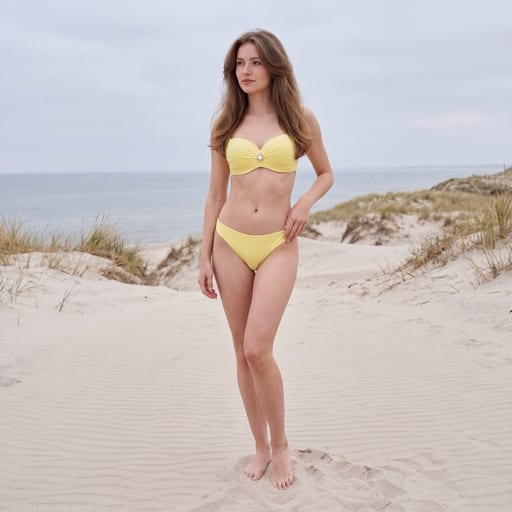
Wyblakły słońcem, spokojny brzeg morza jako jeden świat dla całego katalogu: ten sam piasek, to samo zawoalowane światło, ta sama ogniskowa, ta sama cisza. Produkty różnych marek zaczynają wyglądać jak jedna sesja — a kolor każdego produktu zostaje wierny.
Apartment Hi-fashion Poses
Bielizna w cichej sypialni
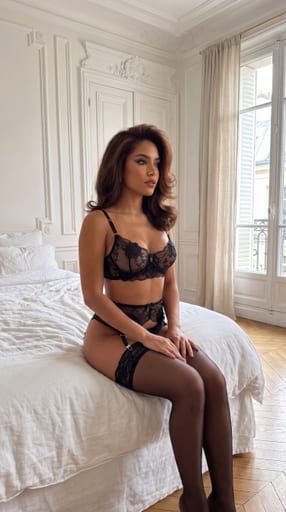
Spokojna, prywatna sypialnia w miękkim świetle jednego okna — rejestr quiet-luxury dla bielizny premium. Intymność bez glamouru: wyciszona poza, pozy leżące i naturalna relacja z meblem, len i blady tynk zamiast buduarowej scenografii.
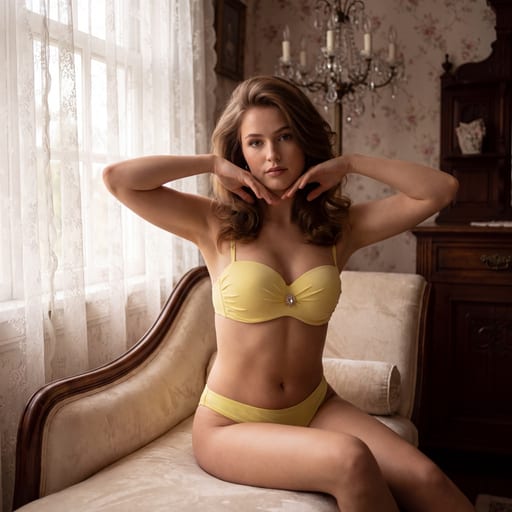
Buduar glamour
Zmysłowy glamour w klasycznym buduarze: ciepłe światło lamp, bogaty „glossy" grade obrazu i wysoka amplituda pozy budowana na relacji z meblem. Rejestr pewny siebie i zapraszający dla bielizny zmysłowej — z własnym, spójnym wnętrzem w komplecie.
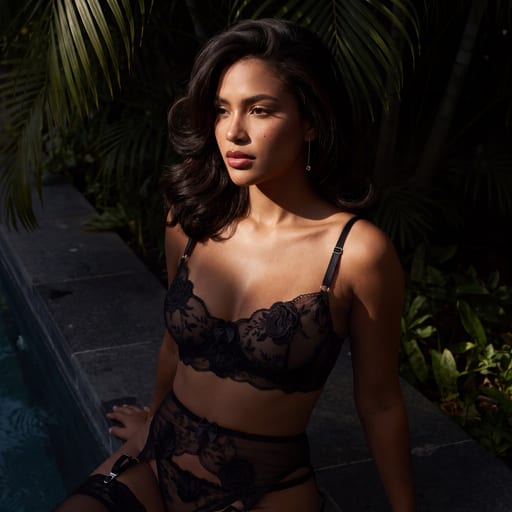
Chiaroscuro low-key
Rejestr low-key dla bielizny premium: jedno twarde kierunkowe światło, zero wypełnienia, większość kadru w głębokiej czerni. Światło wycina fragment sylwetki i wyciąga koronkę, taśmy i szwy w relief — produkt zawsze stoi w strefie światła.
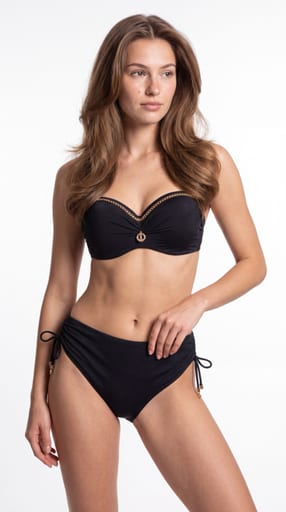
Czysty fason PDP
Czysty katalogowy styl PDP: modelka na jasnym neutralnym tle, kontrolowane światło, pół-statyczna poza. Fit, proporcje i konstrukcja produktu przed nastrojem — powtarzalna siatka zdjęć na kartę produktu.
Gotowy, aby rozbudować swoją bibliotekę kreacji?
Dodaj ten styl do swojego konta i zacznij tworzyć lepsze kampanie w kilka minut.